
About Mechanical Seal
Comprehensive knowledge about mechanical seals, covering the principles, components, applications, operations, installation, reasons for leakage, and industry standards.
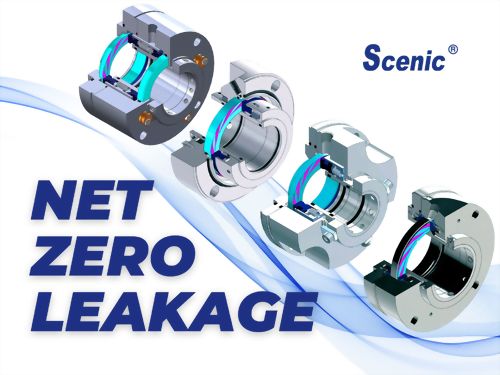
Mechanical Seals Redefining Carbon Reduction: Net-Zero Gas Seals
2024-12-19
As
net-zero goals reshape industries, gas seals stand out with their
"non-contact, friction-free" operation, reducing maintenance costs,
energy use, and resource consumption. Eliminating the need for auxiliary
systems, gas seals combine efficiency with sustainability. With further
advancements to overcome operational challenges, they are set to become
essential in the industrial sealing landscape.
To meet the 2025 carbon neutrality
goals, the mechanical seal industry is taking pr...
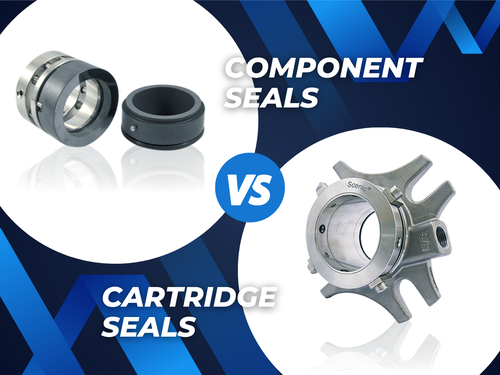
Cartridge Seals vs. Component Seals: Discover the Advantages of Easy Installation and Superior Sealing
2024-07-01
In the mechanical engineering field, cartridge seals represent a superior technology for dynamic sealing. Their primary advantage over component seals is their ease of installation and maintenance. Workers can install cartridge seals without complex procedures, reducing human error, enhancing efficiency, and most importantly, lowering overall costs.
Cartridge seals offer superior sealing performance compared to component seals. Designed by integrating principles from fluid mechanics, thermo...

What is Mechanical Seal?
2023-12-07
The sealing part for rotating equipment, preventing fluid leakage and VOC emissions
Before we start, the first thing to verify is that why do we need a mechanical seal? The mechanical shaft seal is commonly positioned at the core of rotating machinery, primarily aimed at preventing the escape of pressure or gases from the internal workings of the equipment to the surrounding environment. It also serves to safeguard against external contaminants infiltrating the internal components, particular...